Follow us:






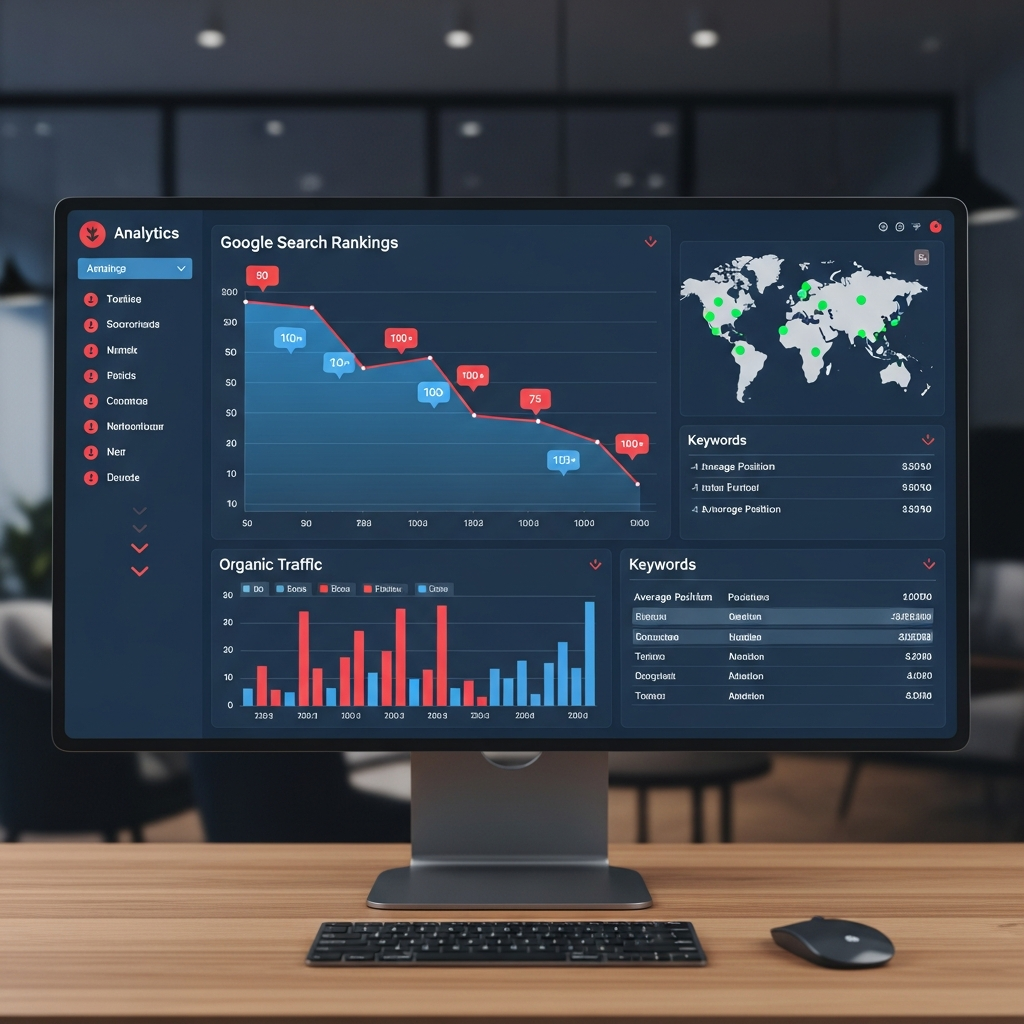
You have invested time, money, and effort into building a professional website for your business. The design looks great, the content seems solid, and everything functions properly. Yet when you search for your services on Google, your website is nowhere to be found. Your competitors occupy the top positions while your site languishes on page three, four, or worse.
This frustrating scenario affects thousands of business owners across America every day. Understanding why your website is not ranking requires examining the complex factors that determine Google’s search results. With over 90% of searchers only clicking on results from the first page, invisible rankings mean invisible business.
The good news? Most ranking problems stem from identifiable, fixable issues. This comprehensive guide examines the twelve most common reasons websites fail to rank and provides actionable solutions to improve your Google visibility. Whether you operate in New York, Los Angeles, Houston, or anywhere across the United States, these principles apply universally.
Before diving into specific problems, understanding Google’s ranking fundamentals helps contextualize why certain issues matter more than others. High quality content and a strong backlink profile remain the most critical ranking factors, but Google evaluates hundreds of signals when determining which websites deserve top positions.
Google’s algorithm serves one primary purpose: delivering the most relevant, helpful, and trustworthy results for every search query. When your website does not rank, Google has determined that other websites better serve searcher needs for those particular keywords. Your job is identifying what Google finds lacking and correcting those deficiencies.
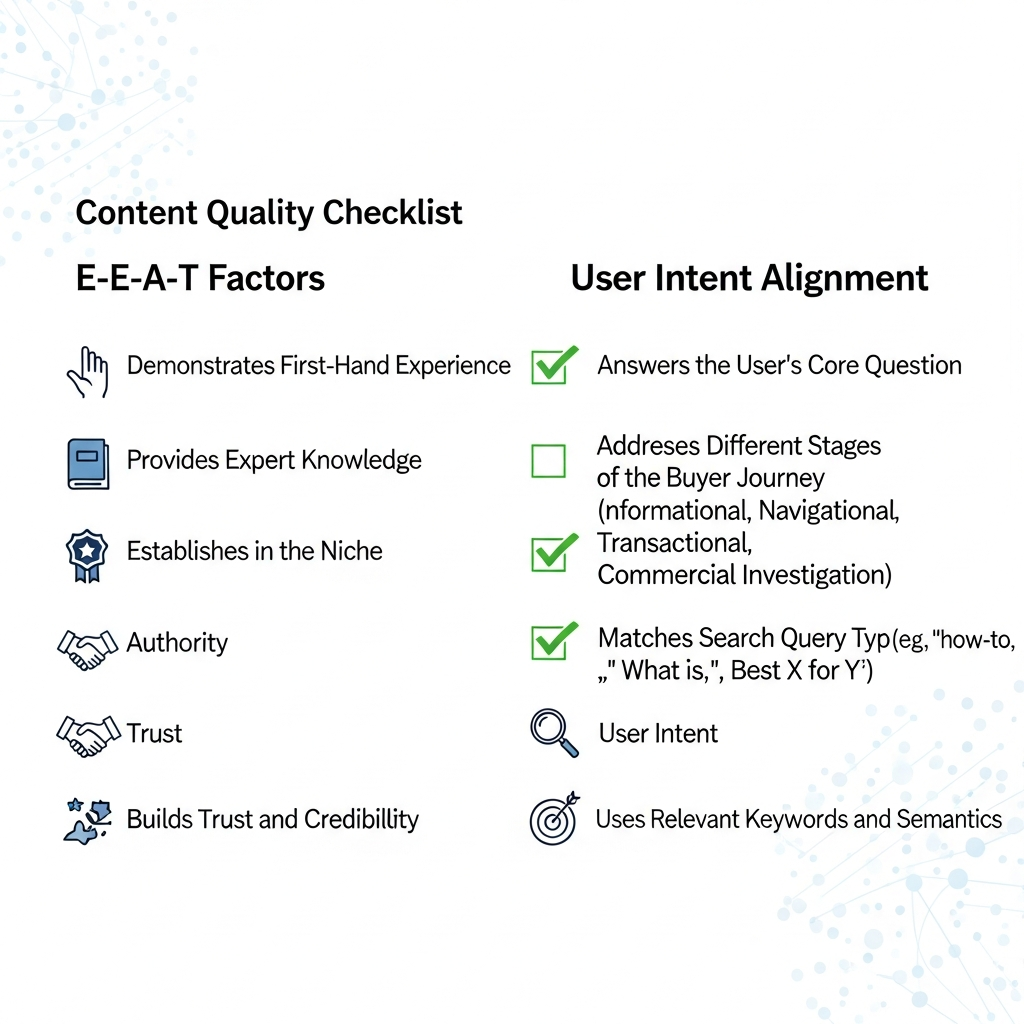
The search engine uses sophisticated AI systems to evaluate websites based on content quality, technical performance, user experience, authority signals, and relevance to specific queries. Google’s E-E-A-T criteria (Experience, Expertise, Authoritativeness, and Trustworthiness) increasingly determines content quality, making authentic, knowledgeable content more important than ever.
Professional SEO services help businesses navigate these complex ranking factors systematically, identifying and addressing issues preventing top rankings.
Reason 1: Your Website Has Technical Problems Google Cannot Overlook
Technical issues represent some of the most devastating ranking killers because they prevent Google from properly accessing, understanding, and indexing your website content. Even exceptional content cannot rank if technical barriers block Google’s ability to discover it.
Slow Page Speed
Google heavily prioritizes user experience, focusing on signals like page speed, mobile friendliness, and Core Web Vitals. Websites loading slowly frustrate users and signal poor quality to search engines. If your pages take more than three seconds to load, you are losing both rankings and potential customers.
Check your page speed using Google PageSpeed Insights and address issues like unoptimized images, excessive JavaScript, slow server response times, and lack of browser caching. Compressing images, enabling caching, and upgrading hosting can dramatically improve load times.
Mobile Responsiveness Issues
With mobile devices driving the majority of searches, websites that display poorly on phones and tablets face severe ranking penalties. Google uses mobile first indexing, meaning it primarily evaluates your mobile site version when determining rankings.
Test your website on multiple devices and screen sizes. If text is too small, buttons are hard to tap, or content overflows screen boundaries, mobile users will leave immediately. Google notices these negative user signals and ranks mobile friendly competitors higher.
Crawl Errors and Indexing Problems
Google cannot rank pages it cannot find or understand. Broken internal links, incorrect robots.txt files blocking important pages, missing XML sitemaps, and server errors prevent proper indexing. Check Google Search Console for crawl errors and indexing issues requiring attention.
A comprehensive professional SEO audit identifies technical issues invisible to untrained eyes but devastating to search rankings.
Reason 2: Your Content Quality Does Not Meet Google Standards
If you create unique, fresh, and helpful content for users, Google will rank it higher on its search engine results page. Unfortunately, many websites publish content that fails to meet these quality standards in various ways.
Thin or Superficial Content
Pages with minimal content, generic information available everywhere else, or shallow treatment of topics signal low value to Google. If your service pages contain just a few paragraphs of generic descriptions, they cannot compete against competitors publishing comprehensive, detailed content.
Aim for substantial content that thoroughly addresses topics. Following best practices for writing blog posts that engage readers and rank on Google ensures content satisfies both search engines and human readers.
Duplicate Content Issues
Publishing the same content across multiple pages or copying content from other websites triggers duplicate content penalties. Google wants to show users varied, original perspectives, not the same information repeated endlessly.
Create unique content for every page. Avoid copying manufacturer descriptions for products, reusing the same service descriptions across multiple location pages, or republishing content from other sources without substantial original additions.
Content Not Matching Search Intent
Even well written content fails to rank if it does not match what searchers actually want. Someone searching for plumber near me wants contact information and service availability, not a lengthy company history. Mismatched intent means high bounce rates as visitors immediately leave seeking better matches elsewhere.
Research what currently ranks for your target keywords and understand what those pages provide. Match that intent while differentiating through superior depth, clarity, or local relevance.
Reason 3: You Are Targeting the Wrong Keywords or Too Competitive Terms
Keyword selection fundamentally determines whether ranking is achievable. Targeting keywords where you cannot realistically compete wastes effort on unwinnable battles.
Unrealistic Keyword Difficulty
A new website trying to rank for lawyer or plumber nationally faces impossible odds against established competitors with years of authority building. These broad, highly competitive keywords require massive resources to crack top positions.
Instead, target location specific keywords like Dallas roofing contractor or long tail keywords like emergency plumber for burst pipes in Houston. These more specific terms have lower competition while attracting highly qualified searchers with clear intent.
Lack of Location Optimization
For businesses serving specific geographic areas, local SEO services focusing on city and neighborhood keywords prove far more valuable than broad national terms. Someone searching for electrician in Newark NJ has much higher conversion potential than someone searching electrician generally.
Create location specific pages targeting cities you serve. Businesses operating in New Jersey, New York, or California benefit enormously from hyperlocal optimization capturing customers in specific service areas.
Missing Long Tail Opportunities
Focusing exclusively on short, obvious keywords overlooks valuable long tail variations. How much does HVAC installation cost in Chicago has lower search volume than HVAC installation but attracts searchers further along the buying journey with specific questions needing answers.
Build content around questions customers actually ask. These conversational long tail keywords align perfectly with voice search optimization as people ask complete questions rather than typing fragmented keyword phrases.
Reason 4: Your Website Lacks Authority and Trust Signals
Backlinks remain one of the most important Google ranking factors, giving Google clear signals about website quality and relevance. Websites without strong authority signals struggle to rank regardless of content quality.
Insufficient Quality Backlinks
Links from other reputable websites act like votes of confidence. When authoritative sites in your industry link to your content, Google interprets this as validation that your information merits attention and trust.
New websites naturally have few backlinks initially, putting them at disadvantage against established competitors. Strategic link building services systematically acquire quality backlinks from relevant sources, building authority over time.
Low Domain Authority
Domain authority accumulates through consistent publication of quality content, acquisition of backlinks, and demonstration of expertise over time. Newer websites naturally start with low authority, requiring patient, sustained effort to build credibility.
Focus on creating genuinely valuable content worth linking to, contributing expert insights to industry publications, participating in local business communities, and building relationships that lead to natural link acquisition.
Missing Trust Elements
Websites lacking basic trust signals like contact information, physical address, privacy policies, secure HTTPS connections, and professional design raise red flags for both users and search engines.
Ensure your website clearly displays business credentials, contact methods, relevant certifications, customer testimonials, and transparent policies. These elements particularly matter for businesses in fields requiring high trust like legal, medical, or financial services.
Reason 5: Your Google Business Profile Needs Optimization
For local businesses, Google Business Profiles with 100% information completeness rank 50% higher than partially completed competitors. An incomplete or poorly optimized profile directly impacts local search visibility.
Incomplete Business Information
Missing business hours, incomplete service descriptions, lack of photos, and absent category selections all reduce profile effectiveness. Complete every available field providing comprehensive information helping customers find and evaluate your business.
Insufficient Reviews
Customer reviews dramatically impact both rankings and conversion rates. Businesses with numerous recent positive reviews rank higher in local pack results and convert visitors at higher rates than competitors with few or outdated reviews.
Implement systematic review generation requesting feedback from every satisfied customer. Respond thoughtfully to all reviews demonstrating engagement and professionalism.
Lack of Regular Updates
Google rewards active profiles demonstrating ongoing business operation. Regular posts, photo uploads, and information updates signal vitality that inactive profiles lack.
Optimizing for local SEO in specific markets requires comprehensive attention to Google Business Profile optimization alongside traditional website SEO.
Reason 6: Your Website User Experience Drives Visitors Away
User experience signals like bounce rate, time on site, and pages per session indirectly impact rankings by indicating whether visitors find content valuable or immediately leave seeking better alternatives.
Poor Navigation and Structure
Confusing website organization, hard to find information, and illogical menu structures frustrate visitors. When people cannot quickly find what they need, they leave for competitor sites with better usability.
Implement clear, logical navigation with descriptive menu labels. Important pages should be accessible within three clicks from the homepage. Use breadcrumb navigation helping visitors understand their location within your site structure.
Intrusive Pop-ups and Advertisements
Aggressive pop-ups blocking content, auto-playing videos, and excessive advertisements damage user experience. Google specifically penalizes intrusive interstitials that obstruct content access, particularly on mobile devices.

Outdated Design and Broken Elements
Websites with 1990s aesthetics, broken images, non-functioning forms, and error messages signal abandonment and unprofessionalism. First impressions matter enormously, with visitors making snap judgments about business credibility within seconds of landing on pages.
Modern, professional design builds trust and encourages engagement. Regularly test all website functionality ensuring forms submit properly, links work correctly, and content displays as intended across browsers and devices.
Reason 7: You Are Not Optimized for AI and Voice Search
The rise of AI powered search through ChatGPT, Google Gemini, and voice assistants has fundamentally changed how people discover information. In 2026, Google focuses less on how much content you publish and more on the quality of experience your content offers.
Missing Conversational Content
Voice search queries use natural language with complete questions like where can I find emergency plumbing services tonight rather than typed keywords like emergency plumber. Content structured around questions and conversational phrases aligns with how people actually speak.
Implement FAQ sections addressing common customer questions directly. Structure content with clear headers matching question formats people ask voice assistants.
Lack of AI Overview Optimization
Google AI Overview optimization and preparation for AI answer engines requires content structured for easy extraction by AI systems. Clear, concise answers to specific questions perform better than lengthy preambles before getting to the point.
GEO services (Generative Engine Optimization) help businesses optimize for visibility in AI generated search results, capturing traffic as search behavior evolves toward conversational AI interactions.
Reason 8: Your Website Is Too New or In Google’s Sandbox
Newly launched websites on brand new domains may experience temporary ranking suppression known as the Google sandbox effect. During this period, even well optimized sites struggle to rank for competitive terms while Google evaluates legitimacy and quality.
This temporary suppression typically lasts three to six months. During this time, focus on creating quality content, building backlinks, and establishing authority rather than obsessing over rankings. As the site ages and demonstrates value, rankings naturally improve.
Patience combined with consistent optimization yields better results than desperate tactics attempting to force immediate rankings.
Reason 9: Previous SEO Mistakes or Penalties Haunt You
Past SEO mistakes can create lasting ranking problems even after you have stopped problematic practices.
Manual Penalties
If Google discovers deliberate manipulation like buying links, hiding text, or creating doorway pages, manual penalties can devastate rankings. Check Google Search Console for manual action notifications and follow reconsideration request procedures if penalties exist.
Algorithmic Suppression
Even without manual penalties, websites with poor quality backlinks, thin content, or other issues may suffer algorithmic suppression reducing visibility. Regular free SEO audits identify lingering problems requiring cleanup.
Reason 10: Competitors Simply Outperform You
Sometimes the brutal truth is that competitors rank higher because they have objectively better websites with superior content, stronger backlink profiles, more comprehensive technical optimization, and better user experience.
Competitive analysis reveals what top ranking competitors do well. Study their content depth, backlink sources, keyword targeting, and user experience. Identify gaps where you can differentiate while matching their strengths in key areas.
For businesses in competitive markets like New York or Los Angeles, understanding local competitive dynamics proves essential for developing winning strategies.
Reason 11: You Lack Consistent, Fresh Content
Websites publishing content sporadically or abandoning blogs after initial launch signal inactivity to Google. Regular publication demonstrates ongoing relevance and expertise, giving search engines fresh content to index and rank.
Establish consistent publishing schedules whether that means weekly blog posts, monthly industry updates, or quarterly comprehensive guides. Consistency matters more than frequency when building long term authority.
Content addressing emerging topics, answering new customer questions, and reflecting industry developments keeps websites current and relevant.
Reason 12: You Are Trying to DIY Complex SEO
Many business owners attempt DIY SEO without the specialized knowledge, tools, or time required for success. While learning SEO basics proves valuable, competing against businesses using professional SEO services creates inherent disadvantages.
Professional agencies bring specialized expertise, proven processes, premium tools, dedicated time, and experience across hundreds of client situations. They identify and fix issues faster while implementing advanced strategies beyond typical business owner knowledge.
Working with the best SEO agency for small businesses in the USA delivers faster results and better ROI than struggling alone with limited resources and knowledge.
FAQs: Common Questions About Website Rankings
How long does it take to start ranking on Google?
Most websites see initial ranking improvements within three to six months of implementing proper SEO strategies. Competitive keywords may require six to twelve months or longer. Factors affecting timeline include domain age, competition levels, content quality, link acquisition rate, and technical optimization completeness. New websites naturally take longer than established sites adding new content.
Can I rank without backlinks?
Ranking for very low competition, long tail keywords without backlinks is possible but extremely limited. For any moderately competitive terms, quality backlinks remain essential. Google uses links as primary authority signals, making them nearly impossible to avoid for meaningful rankings. Focus on earning natural, relevant links rather than avoiding link building entirely.
Why do my competitors with worse websites rank higher?
Several factors may explain this frustrating situation. They may have much older domains with accumulated authority. They might have strong backlink profiles built over years. Their content may better match search intent despite appearing lower quality superficially. They may have better local optimization with more reviews and complete profiles. Sometimes Google has not yet fully evaluated your improvements, requiring more time for changes to impact rankings.
Does social media help my Google rankings?
Social media does not directly impact Google rankings as signals, but indirectly influences rankings through increased visibility, traffic generation to your website, brand awareness building that leads to searches and links, and content distribution that can earn backlinks. Strong social presence supports SEO efforts without replacing core optimization work.
How often should I update my website content?
Frequency depends on your industry and competition. Minimum recommendations include publishing new blog content at least monthly, updating service pages quarterly to keep information current, refreshing homepage content with new testimonials and information regularly, and revising outdated statistics, examples, or information as it becomes stale. More competitive industries benefit from more frequent updates.
What should I do if my rankings suddenly dropped?
Sudden ranking drops require systematic investigation. Check Google Search Console for manual penalty notifications. Review recent algorithm update announcements from Google. Analyze whether competitors launched major improvements. Examine technical issues like server downtime or broken pages. Look for lost backlinks from important sources. Compare current rankings to historical data identifying which specific pages or keywords declined. Often working with professionals helps diagnose complex ranking drops faster than DIY troubleshooting.
Can paid ads help my organic rankings?
Paid advertising does not directly influence organic rankings. Google maintains strict separation between paid and organic results to preserve search integrity. However, paid ads can indirectly support SEO by driving traffic that improves user engagement signals, increasing brand awareness that leads to searches and links, testing which messages and pages convert best before investing in organic optimization, and generating visibility while organic efforts mature. Use paid and organic strategies together for comprehensive coverage.
Should I hire an SEO agency or do it myself?
This decision depends on available time, budget, expertise, and competition levels. DIY SEO makes sense if you have significant time to learn and implement strategies, operate in low competition niches, possess technical aptitude and willingness to learn, and work with limited budgets. Hiring professionals makes sense when competing in moderate to high competition markets, lacking time to manage SEO alongside business operations, needing faster results than DIY timelines allow, and wanting proven expertise and advanced strategies. Many businesses find that even modest professional assistance produces better results than unguided DIY efforts.
Taking Action: Your Path to Better Rankings
Understanding why your website is not ranking represents the critical first step toward improvement. The second step involves systematic correction of identified issues through strategic implementation.
Start with a comprehensive assessment using a free SEO analysis identifying your specific ranking barriers. Prioritize fixes based on impact potential, starting with critical technical issues preventing proper indexing before moving to content improvements and authority building.
Remember that SEO rewards patient, consistent effort rather than quick fixes or shortcuts. Building sustainable rankings requires months of dedicated work, but the results compound over time creating lasting competitive advantages.
For businesses ready to stop wondering why rankings lag and start implementing solutions that work, contact us to discuss customized strategies addressing your specific ranking challenges. Professional guidance accelerates progress while avoiding common mistakes that waste time and money.
Whether you operate in Houston, Miami, Chicago, or anywhere across America, the principles of effective SEO remain constant. The difference lies in execution quality, strategic focus, and persistent optimization over time.
Your website deserves to be found by customers actively searching for the solutions you provide. Stop accepting invisible rankings and start building the visibility your business needs to thrive in competitive digital markets.



WhatsApp us
