Follow us:






The search landscape has fundamentally shifted. Traditional search engine optimization is no longer enough when artificial intelligence systems like Google’s Search Generative Experience (SGE), ChatGPT, Perplexity, and voice assistants are answering user questions directly without requiring clicks to websites. This transformation demands a new approach called Answer Engine Optimization, or AEO, which represents the evolution of how businesses must think about digital visibility in 2025 and beyond.
Understanding the shift from search engines to answer engines is critical for any business wanting to maintain or improve its online presence. While traditional SEO focused on ranking in the top ten blue links, AEO concentrates on being the source that AI systems cite when answering user queries. This means your content must be structured, authoritative, and formatted in ways that AI models can easily understand, extract, and attribute to your business.
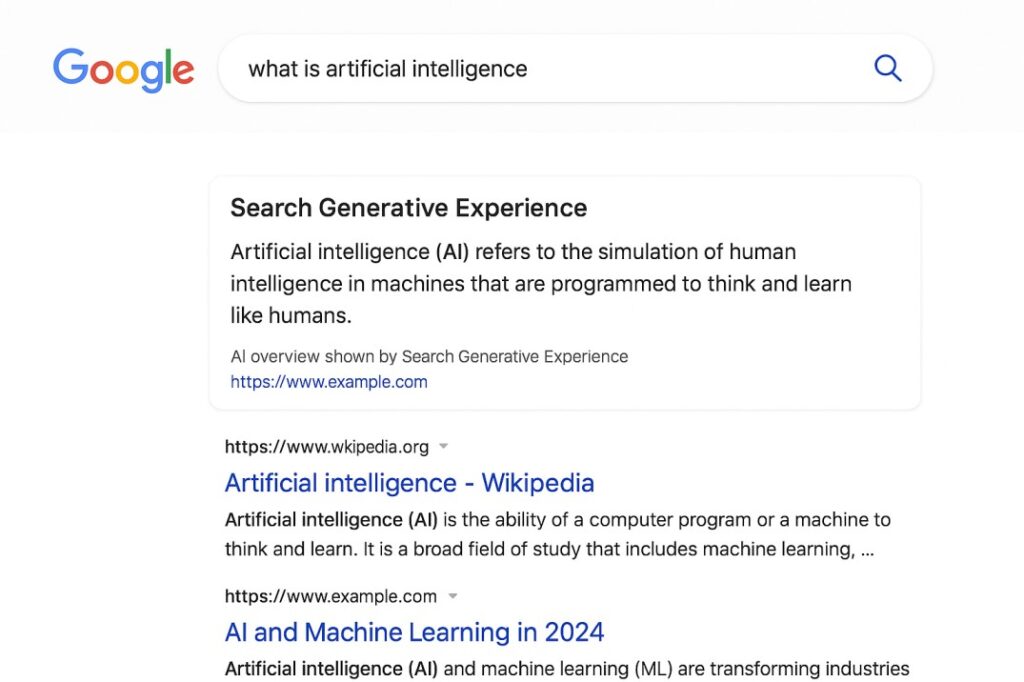
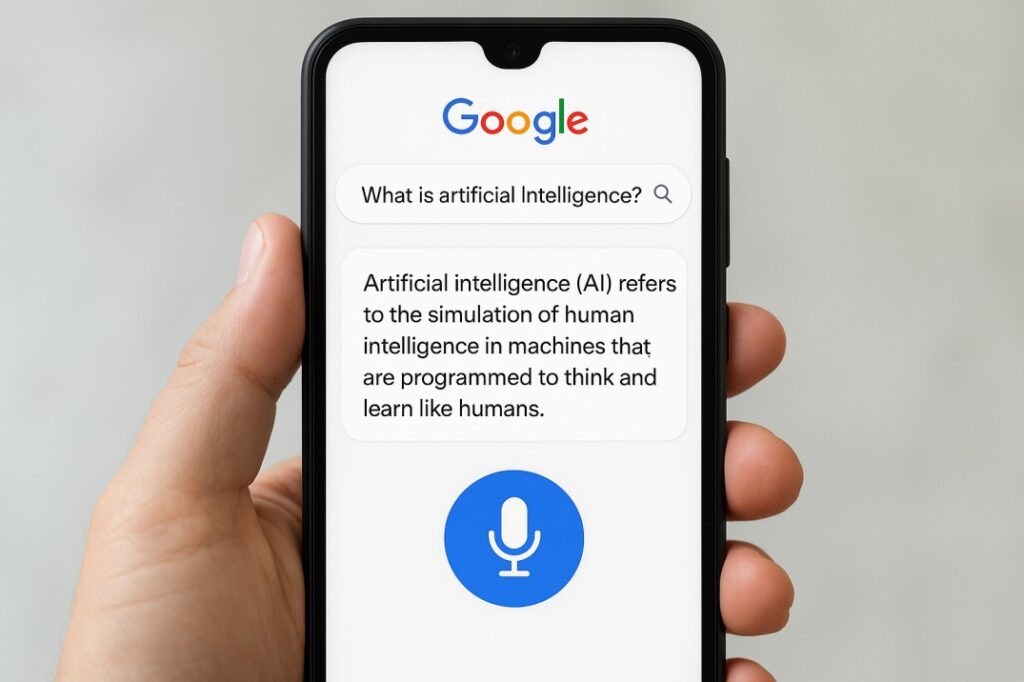
Google’s Search Generative Experience launched publicly in 2024 and has fundamentally changed how millions of users interact with search. Instead of seeing ten blue links, users now see AI-generated summaries that synthesize information from multiple sources, with citations appearing below the generated response. ChatGPT’s search integration, meanwhile, allows users to ask conversational questions and receive detailed answers with source attribution. Perplexity AI has gained millions of users by focusing exclusively on this answer-first approach, while voice assistants like Alexa, Siri, and Google Assistant continue growing in usage, especially for local business queries.
The implications for businesses are profound. Research indicates that SGE can reduce organic click-through rates by as much as 25-40% for informational queries, as users get their answers without clicking through to websites. However, businesses that successfully position themselves as cited sources within AI-generated answers actually see increased brand authority and qualified traffic from users seeking deeper information. This creates a clear divide between businesses that adapt their SEO services strategy for AI engines and those that don’t.
Answer Engine Optimization builds upon traditional SEO foundations but requires distinct strategic adjustments. The first principle centers on conversational content structure. AI systems are trained on natural language, so your content must answer questions the way people actually ask them in conversation. This means moving beyond keyword stuffing and instead crafting content that addresses the who, what, when, where, why, and how of your topic in clear, direct language.
Authoritative source signals matter more than ever for AI citation. Google’s SGE and ChatGPT preferentially cite sources that demonstrate expertise, experience, authoritativeness, and trustworthiness, commonly known as E-E-A-T signals. This means your content needs clear author credentials, dates showing freshness, citations to reputable sources, and consistent information across the web. Building these signals requires a comprehensive approach such as AEO services to achieve visibility.
Structured data implementation has become non-negotiable for AI visibility. Schema markup helps AI systems understand your content’s context, relationships, and meaning. FAQ schema tells AI systems which questions your content answers, How-To schema provides step-by-step instructions in a machine-readable format, Article schema identifies your content type and key details, while Local Business schema ensures AI assistants can accurately represent your services, hours, and location for voice search queries.
Getting cited by AI systems requires strategic content formatting that makes extraction and attribution seamless. Your content should begin with direct, concise answers to primary questions within the first 100-150 words. AI systems scan for quick, accurate responses and often pull from these opening sections when generating summaries. After providing the direct answer, expand into detailed explanations that demonstrate depth of knowledge and provide the context AI systems need to verify accuracy.
Question-based headers are particularly effective for AI optimization. Instead of generic headers like “Benefits” or “Features,” use complete questions that match user intent such as “How does AI answer engine optimization improve website visibility?” or “What ranking factors matter most for Google SGE?” These headers help AI systems identify relevant sections to extract when answering specific user queries.
Citation-worthy facts and statistics significantly increase your chances of being referenced. AI systems look for specific, verifiable data points when synthesizing answers. Include current statistics with sources, original research or survey data from your company, expert quotes with proper attribution, and case study results with specific metrics. For example
How an Austin Telemedicine Startup Tripled Patient Sign Ups with AI Driven SEO in 2025 demonstrates how businesses across industries can achieve measurable results through strategic optimization.
The depth and comprehensiveness of your content also influence AI citation likelihood. Thin content rarely gets selected by AI systems as a reliable source. Instead, create thorough resources that cover topics from multiple angles, address related questions users might have, and provide actionable information rather than superficial overviews. This doesn’t mean every piece needs to be a 3,000-word guide, but it does mean every piece should thoroughly answer its core question.
Voice search presents unique optimization challenges because spoken queries differ significantly from typed searches. People typing into Google might search “best Italian restaurant Philadelphia,” while voice search users ask “What’s the best Italian restaurant near me?” or “Where can I get good pasta in Philadelphia tonight?” Optimizing for these conversational patterns is essential through the local SEO services, particularly for businesses serving specific geographic markets.
Featured snippet optimization remains crucial for voice search because voice assistants often read featured snippet content as their answer. To capture these positions, format answers in paragraph form of 40-60 words for definition queries, use numbered lists for process questions, create comparison tables for versus queries, and implement FAQ sections for common customer questions. These formatting strategies align perfectly with how AI systems extract and present information verbally.
Local voice search has exploded with queries including “near me” growing by over 500% in recent years. Voice users often have immediate intent, searching while driving or walking and ready to take action quickly. To capture this traffic, ensure your Google Business Profile is completely optimized with accurate hours, services, and categories. Maintain consistent NAP information across all platforms so AI systems can confidently recommend your business. Generate authentic customer reviews that mention specific services and locations, and create location-specific content that answers common questions for each area you serve, whether that’s New Jersey, Philadelphia, or New York City.
Beyond content optimization, technical infrastructure determines whether AI systems can access and understand your website. Page speed has become even more critical as AI crawlers process massive amounts of content and prioritize sites that load quickly. Core Web Vitals optimization ensures your site meets Google’s user experience standards, which AI systems consider when selecting sources. Mobile responsiveness is non-negotiable since most voice searches occur on mobile devices and AI systems verify that cited sources provide good mobile experiences.
Clean site architecture helps AI systems understand your content hierarchy and relationships. Implement logical URL structures that reflect content organization, create internal linking that connects related content, use breadcrumb navigation so AI systems understand your site structure, and maintain an XML sitemap that’s regularly updated. Our SEO audit service identifies technical issues that might prevent AI engines from properly crawling and indexing your content.
Security and trust signals directly impact AI citation likelihood. Websites with expired SSL certificates, security warnings, or poor trust indicators rarely get cited by AI systems that prioritize user safety. Ensure you have active HTTPS encryption across all pages, privacy policies that comply with data regulations, clear contact information and physical addresses for local businesses, and author profiles that establish human expertise behind your content.
AI systems don’t cite random websites—they cite authorities in specific topics. Building this authority requires strategic efforts across multiple channels. High-quality backlink acquisition through link building services from reputable sources signals to AI that your content is trustworthy and worth citing. It is important in backlinking services in USA to focus on earning links from industry publications, academic institutions, government websites, and established media outlets that AI systems recognize as authoritative.
Content consistency and freshness also matter significantly. AI systems often prioritize recently updated content when answering questions about evolving topics. Maintain a regular publishing schedule through our blog that keeps your site active with fresh insights. Update existing content with new statistics, developments, and information to maintain relevance. Create topic clusters that comprehensively cover subject areas where you want to be the cited authority, and maintain consistent messaging and facts across all your content to avoid confusing AI systems.
Brand mentions and co-citations influence AI systems even without direct links. When your brand is frequently mentioned alongside recognized authorities in your industry, AI systems begin associating your business with expertise in that space. Encourage mentions through PR outreach, guest contributions, podcast appearances, speaking engagements, and participation in industry discussions across social media platforms through strategic social media marketing.
Traditional metrics like rankings and organic traffic remain important, but AEO requires additional measurement approaches. Track how often your content appears in AI-generated summaries by manually checking key queries in SGE and ChatGPT, monitor citation frequency through brand mention tracking tools, and document which pieces of content get cited most often to inform future content strategy.
Zero-click search performance has become a critical metric. While these searches don’t drive immediate traffic, being cited in AI answers builds brand awareness and authority that drives conversions over time. Monitor impressions and visibility in SGE snapshots, track featured snippet acquisitions, measure direct traffic increases that may result from brand discovery through AI engines, and watch for increases in branded search volume as users discover you through AI citations.
Voice search analytics require specialized tracking. Set up goal tracking for local store visits driven by voice search, monitor call tracking numbers to identify phone calls from voice assistants, analyze mobile traffic patterns for spikes following voice-heavy times of day, and review Google Business Profile insights for how users find you through voice-activated searches.
Answer Engine Optimization doesn’t exist in isolation, it works best as part of a comprehensive digital marketing approach. Combining AEO with Pay Per Click Management creates a powerful one-two punch where paid ads capture immediate visibility while AEO builds long-term authority and organic presence. This combination ensures you maintain visibility even as traditional organic listings get pushed down by AI summaries.
Email marketing integration amplifies your AEO efforts by driving engaged traffic to your optimized content, which sends positive engagement signals to AI systems. Email marketing strategies promote your most comprehensive, citation-worthy content to your existing audience, building the traffic and engagement metrics that reinforce your authority to AI engines.
Regular analysis ensures your AEO strategy remains effective as AI systems evolve. SEO analysis service tracks your performance across traditional and AI-powered search channels, identifying opportunities to improve your citation rate and overall visibility.
The shift toward AI-powered search is not a future trend—it’s happening now and accelerating rapidly. Businesses that adapt their content and technical approach for answer engines will maintain and grow their digital visibility, while those that ignore this shift will find themselves increasingly invisible in the channels where their customers are searching.
Start with a comprehensive evaluation of your current digital presence. Free SEO audit identifies gaps in your Answer Engine Optimization strategy and provides actionable recommendations for improvement. Whether you’re a local service business, e-commerce operation, B2B company, or SaaS provider, adapting for AI search is essential for sustained growth.
The team at SEO Digital Sight has helped businesses across industries navigate this transition successfully, from local restaurants to technology companies. Visit services overview to learn how we can customize an AEO strategy for your specific market and goals. You can also hire an SEO expert to guide your transition to AI-optimized content.
The future of search is conversational, immediate, and AI-powered. Position your business to thrive in this new landscape by embracing Answer Engine Optimization strategies that ensure AI systems see you as the authoritative source worth citing. Contact us today to discuss how we can transform your digital presence for the age of AI search.



WhatsApp us
